Collection: Solar, Batteries & Charging

Build a dependable power setup for your campervan, RV, or any other adventure vehicle with solar panels, batteries, charging equipment, and supporting accessories. Whether you need a complete off-grid electrical system or are upgrading an existing setup, The Van Mart offers power generation, storage, and charging equipment to keep your essential devices and appliances running between hookups.

Shop Van Solar, Batteries & Charging Today


A reliable electrical system is essential to a modern van build. These systems power lighting, refrigeration, fans, electronics, water pumps, and all the other essentials you need for comfortable van living. The right setup for your van depends on how much electricity you use, how you travel, and how long you expect to stay away from shore power.

Solar Panels for Campervans and RVs


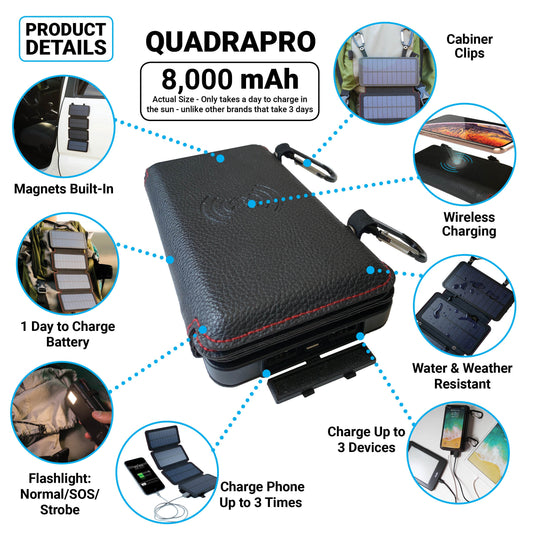
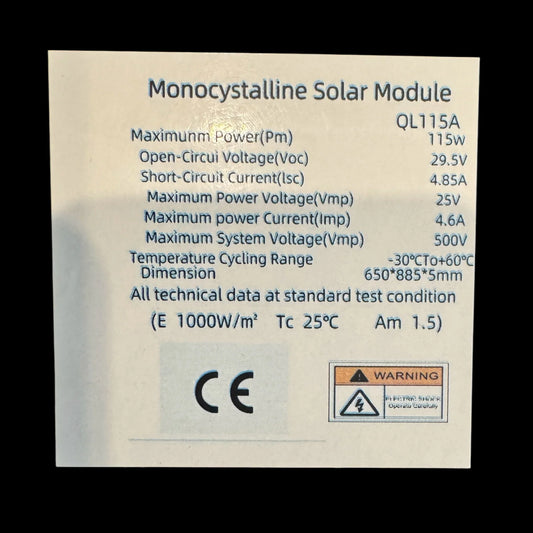
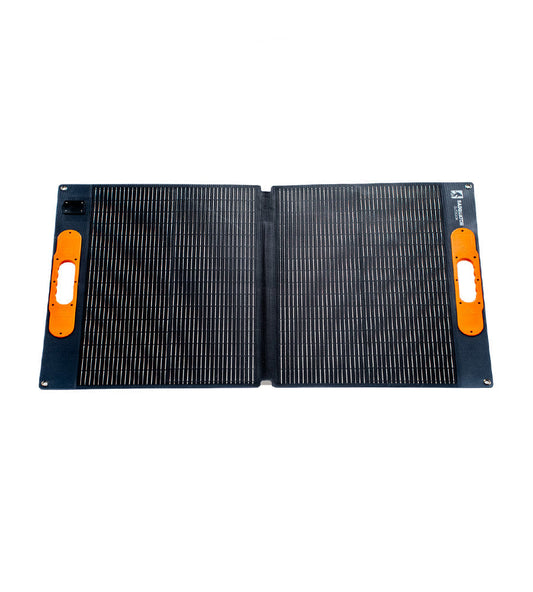
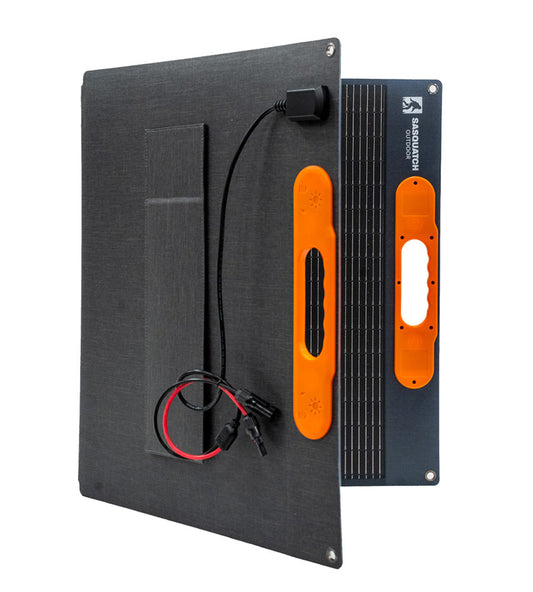
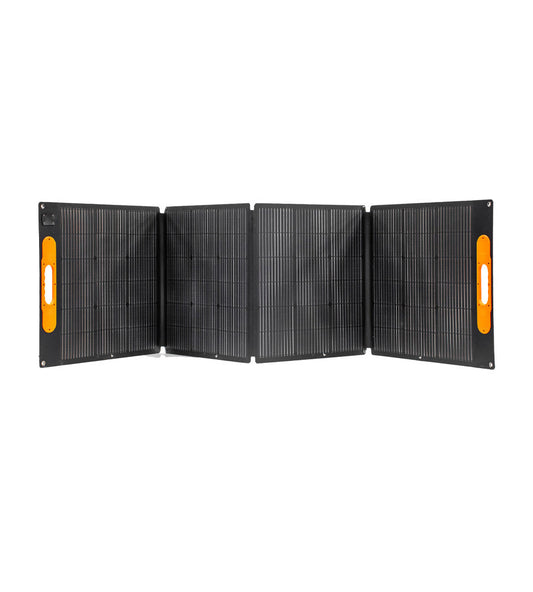
Solar panels can help recharge an onboard house battery while your van is parked in suitable levels of sunlight. The Van Mart collection includes portable and semi-rigid solar options in different wattages and form factors. While semi-rigid options can work well for more permanent installations, portable panels can be useful when roof space is limited or when you want to position a panel separately from the vehicle.


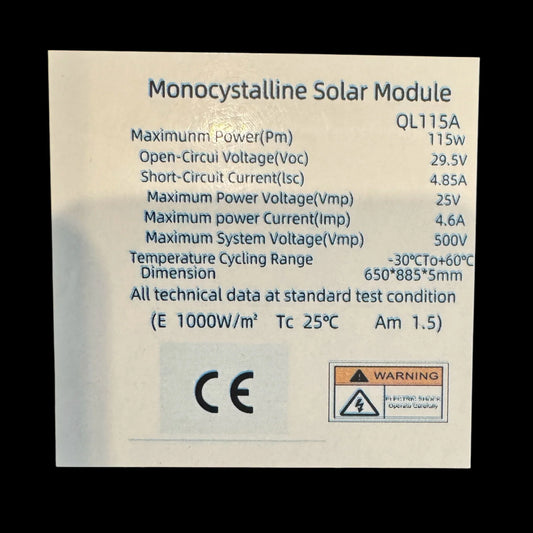
Regardless of the form factor, actual output will vary with weather, shade, season, panel orientation, and location. With that in mind, rated wattage should not be treated as guaranteed daily production.

Batteries & Energy Storage

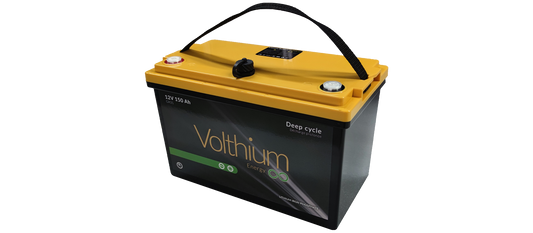
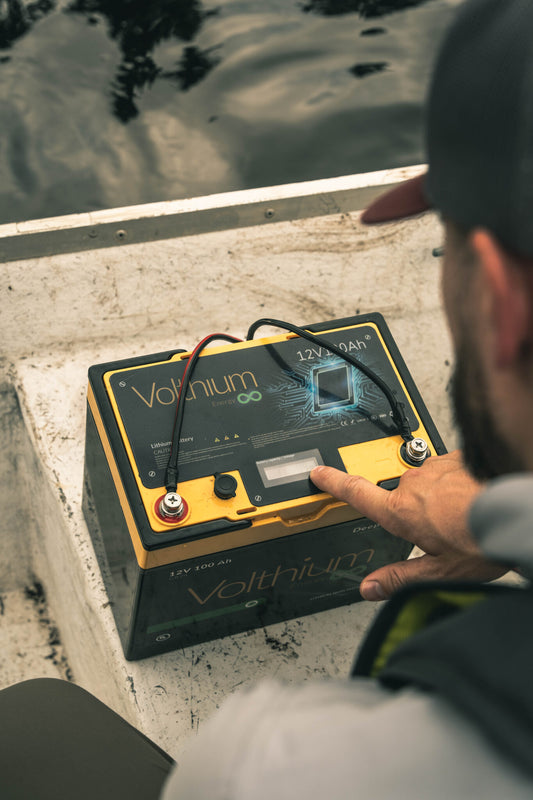
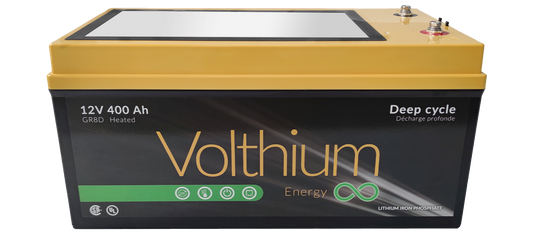
Battery capacity determines how much energy you can store for use when solar, vehicle charging, or shore power is unavailable. The Van Mart lineup includes standalone 12-volt batteries in multiple capacities, as well as integrated RV systems with built-in battery storage.

Before choosing a battery, consider daily energy use, voltage, size, weight, charging requirements, and your total available installation space. While it’s helpful to have some extra battery capacity, your setup should closely match both your typical electrical load and the length of time you expect to spend between charging opportunities.

Van Charging Systems

Depending on the equipment installed, a van’s electrical system may recharge from solar panels, shore power, the vehicle’s electrical system, or a combination of these sources. As a general rule, being able to use more than one charging source can make a setup more flexible. Regardless, charging equipment should always be compatible with the battery, system voltage, and electrical limits of the installation.

Integrated Power & Energy Management

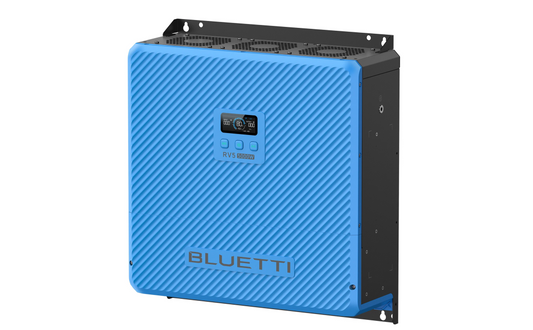
Integrated power systems combine several electrical functions into one platform. Depending on the product, these may include battery storage, inverter output, solar charging, vehicle charging, and AC/DC power management. The BLUETTI RV5 systems available from The Van Mart, for example, combine these functions and support charging from solar, shore power, and the vehicle.

Solar Mounting & Electrical Accessories

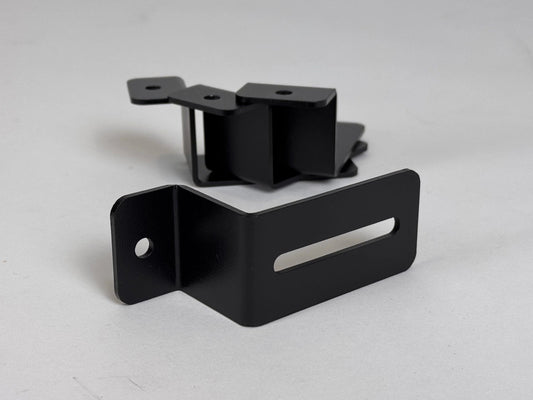
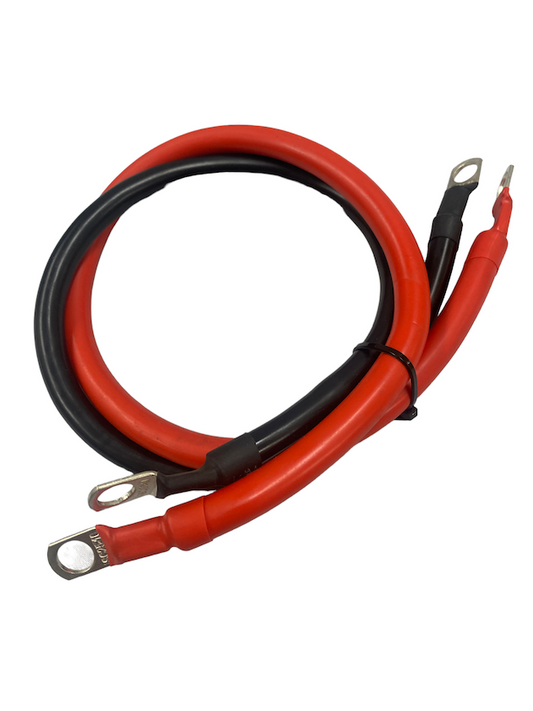
An installation plan should also consider the required mounting hardware, cables, connectors, battery accessories, and related components. Component placement, cable routing, accessibility, ventilation requirements, and available mounting space must be accounted for before installation to avoid compatibility issues and rework.

Explore The Van Mart’s collection to find solar panels, batteries, charging equipment, integrated power systems, mounting hardware, and all the accessories for your van builds. Check out our newest arrivals for items that will add value to your campervan setup. 

Frequently Asked Questions

How much solar do I need for a campervan?

Needed solar capacity can vary widely depending on how much electricity you use each day. Add up your daily energy use in watt-hours, then size your solar setup around that figure while allowing for reduced output from expected shade, weather, and seasonal conditions.

What size battery do I need?

Before you select a battery, first look at your expected daily energy use as well as the time between charges. Longer off-grid stays and higher electrical loads usually require greater battery capacity. Check the battery’s voltage, physical dimensions, weight, and charging requirements to see if they match your expected usage.

Can solar panels charge my van battery?

Yes, but they must be connected through a compatible solar charge controller or integrated power system. The panel voltage and current must also stay within the limits of the charging equipment. Likewise, the battery and charging hardware you install also need to be compatible with the same system voltage.

Can I charge from solar and the vehicle?

Yes, if your system supports both inputs. Many van power setups use solar while parked and vehicle charging while out driving. Some systems also accept shore power, giving you another charging option when an external AC connection is available.

What is the difference between a battery and an integrated power system?

A battery simply stores energy and often requires other components to make this stored energy usable. An integrated power system may combine the battery with an inverter, solar charger, vehicle charger, and AC/DC power management in one complete system, reducing the need to match and install separate components.

Are LiFePO4 batteries suitable for vans and RVs?

LiFePO4 batteries are widely used in RV and off-grid power systems, including the BLUETTI RV5. Always check the battery’s voltage, charging requirements, temperature limits, dimensions, and installation specifications before adding it to your van’s electrical system.

Are portable or semi-rigid solar panels better?

Neither is automatically better, and the right one really just depends on your needs. Portable panels offer flexibility in positioning and storage, while semi-rigid panels can suit more permanent installations. The better option depends on your available space, mounting plans, storage needs, and whether you want to be able to move the panel to improve sun exposure.

Do I need an inverter in my van?

If you want to run standard AC appliances from your van’s battery system, you’ll need an inverter to convert the battery’s DC power into AC power. Some integrated power systems already include an inverter, so you may not need to buy one separately. Make sure the inverter matches your system voltage and can handle the power requirements of the appliances you plan to use.